
One Small Step Every Day: The Transformative Power of Yog
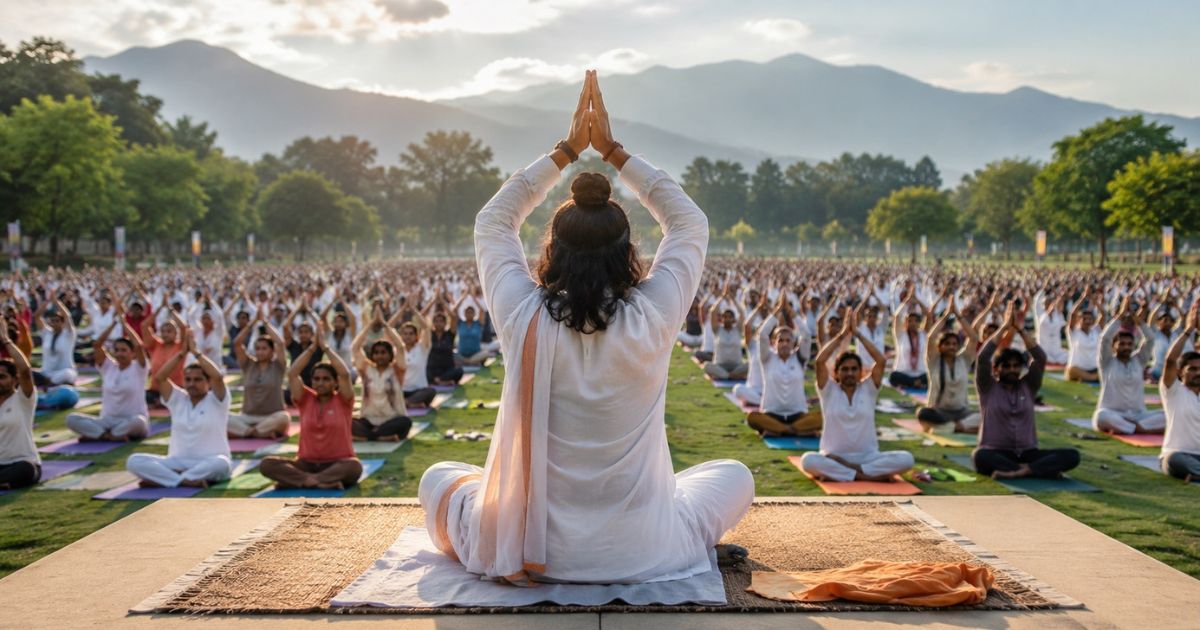
The United Nations observes several days dedicated to wellness and human well-being. These include International Day of Happiness (20 March), World Health Day (7 April), and World Mental Health Day (10 October). Each of these observances focuses on a specific aspect of wellness. Happiness Day emphasizes emotional well-being, World Health Day highlights physical health, and World Mental Health Day draws attention to mental wellness.
The International Day of Yoga is unique because it not only highlights the importance of health and happiness but also provides a practical method for achieving them. While other wellness days remind us about desirable outcomes, yoga offers a systematic path to reach those goals.
Yoga and Holistic Health
Yoga is much more than a system of physical exercises. It is a complete science of holistic well-being that promotes health at multiple levels.
Regular yoga practice contributes to:
• Physical health through improved flexibility, strength, and balance.
• Mental health through reduced stress and improved concentration.
• Emotional health through greater stability and self-control.
• Intellectual health through clarity of thought and enhanced awareness.
• Spiritual health through inner peace and self-discovery.
By addressing all these dimensions, yoga helps create harmony between the body, mind, and spirit.
This International Day of Yoga, we can begin taking small steps every day to experience these benefits. Consistent practice, even for a few minutes daily, can bring significant improvements over time.
The Eight Limbs of Yoga
According to Sage Patanjali, yoga consists of eight interconnected limbs known as Ashtanga Yoga:
1. Yama
2. Niyama
3. Asana
4. Pranayama
5. Pratyahara
6. Dharana
7. Dhyana
8. Samadhi
These eight limbs form a progressive path toward complete well-being.
Yama and Niyama
The first two limbs, Yama and Niyama, prepare us mentally and spiritually for yoga practice. Yama includes ethical values such as truthfulness, non-violence, moderation, and self-restraint. Niyama focuses on personal discipline, cleanliness, contentment, self-study, and devotion. These practices create the foundation upon which all other aspects of yoga are built.
Asana and Pranayama
The next stage is Asana, the physical postures of yoga. The purpose of asanas is not to perform difficult poses but to prepare the body by improving flexibility, stability, and strength. Once the body is prepared, the practitioner progresses to Pranayama, the regulation of breath. Pranayama improves respiratory efficiency, increases vitality, and helps calm the nervous system. A calm breath naturally leads to a calm mind.
The Higher Limbs
Regular practice of pranayama gradually leads to Pratyahara, the withdrawal of the senses from external distractions. Pratyahara prepares the mind for Dharana, or concentration. Dharana develops into Dhyana, or meditation, and meditation ultimately culminates in Samadhi, a state of profound inner peace and spiritual awareness. Each step serves as preparation for the next. Yama and Niyama prepare the mind, Asana prepares the body, Pranayama prepares the breath and nervous system, and the higher limbs guide the practitioner toward deeper states of awareness. To experience the complete benefits of yoga, these practices should be approached systematically and patiently.
Flexibility and Healthy Ageing
A popular saying among yoga practitioners is that a person’s true age is reflected by the flexibility of the body rather than the number of years lived. As we age, stiffness in the muscles and joints naturally increases. Reduced flexibility can affect mobility, posture, and overall quality of life. Yoga offers a simple and effective way to maintain flexibility and support healthy ageing.
Some beneficial stretching postures include:
• Tadasana (Mountain Pose)
• Padahastasana (Hand-to-Foot Pose)
• Paschimottanasana (Seated Forward Bend)
• Ustrasana (Camel Pose)
• Bhujangasana (Cobra Pose)
• Shalabhasana (Locust Pose)
These postures are generally simple and can be practiced by most healthy individuals. Regular practice helps improve flexibility, maintain spinal health, and support overall physical well-being.
Every Body is Different
One important principle of yoga is understanding that every individual is unique. The structure of bones, joints, and muscles differs from person to person. As a result, some postures may be easy for one individual while challenging for another. Yoga should never become a competition. Instead, practitioners should choose postures that suit their body type, flexibility, and comfort level. The goal is gradual improvement, not perfection. For beginners, the Common Yoga Protocol published by the Ministry of AYUSH serves as an excellent guide. Developed by experienced yoga experts, it includes loosening exercises, asanas, pranayama, and meditation practices suitable for the general public. Individuals can select practices according to their age and physical condition.
Best Practices for Daily Yoga
To gain maximum benefit from yoga, it is important to practice correctly. Pranayama is best practiced in the morning after performing a few rounds of Sukshma Vyayama or gentle loosening exercises. Morning practice helps calm the mind and energize the body for the day ahead. Asanas can be practiced in the evening after relaxing the body. Beginning with a few moments of rest through Shavasana can make the practice more effective. Pranayama should always be performed with a calm and relaxed mind. It should generally be avoided immediately after heavy exercise or when feeling tired after difficult postures.
A Small Step Every Day
The message of the International Day of Yoga is simple yet powerful. Lasting health is achieved not through occasional effort but through consistent daily practice. A few minutes devoted each day to stretching, breathing exercises, and meditation can gradually improve physical health, mental clarity, emotional stability, and spiritual well-being. Let this International Day of Yoga become a milestone in our personal journey toward better health. By taking one small step every day, we can move closer to a healthier, happier, and more balanced life.
Wishing you and your family a Very Healthy and Happy International Day of Yoga. May this day inspire a lifelong commitment to health, happiness, and inner harmony through the practice of yoga.